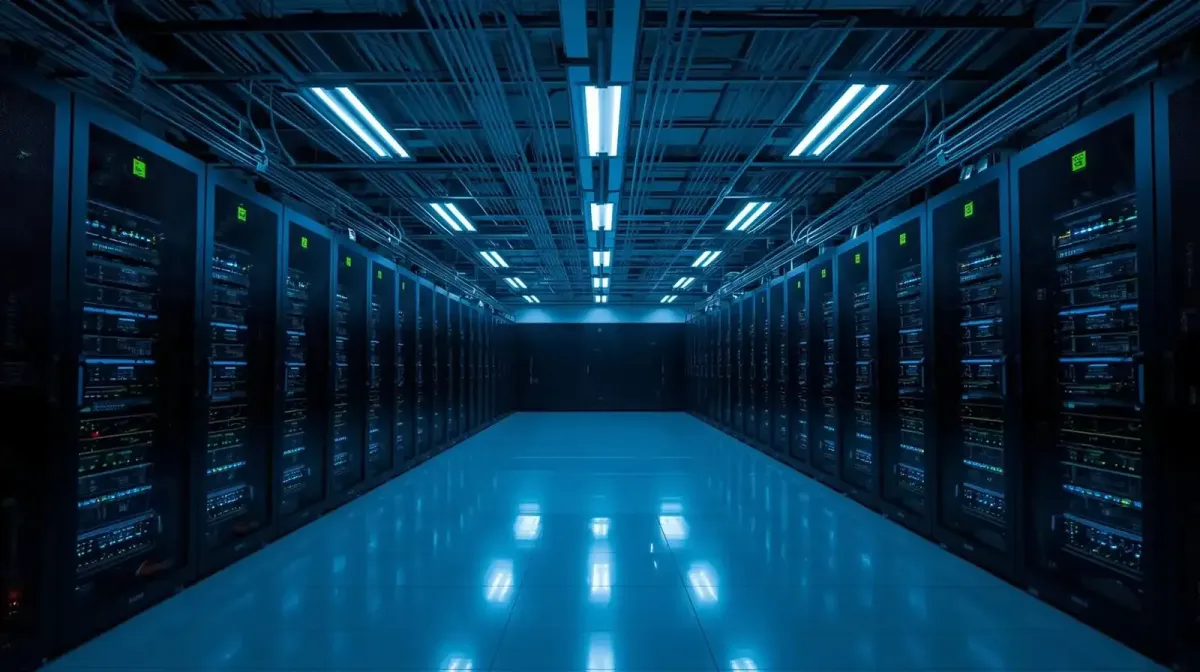
Improving Your Data Center Structured Cabling in 2026
Data center structured cabling is the system that keeps all network cables neat, safe, and easy to manage. It is the heart of stable data flow, and it helps businesses keep their equipment running without slowdowns or shutdowns. Good cabling is clear, organized, and built to support future growth, which makes it a powerful long term investment for any company that depends on steady data movement.
When a building grows in size or adds more devices, a strong cabling plan becomes even more important. A well built setup prevents tangles, cuts problems, and helps teams locate issues fast. Clear pathways, smart labeling, and strong cable support structures all work together to keep the data center running smoothly. Companies trust this method because it makes daily work easier and protects against downtime.
A Clear Look at Modern Data Center Structured Cabling
Modern data centers act like the central brain of a business. They move information from one device to another, support online systems, and keep daily operations running. For this flow to stay smooth, the cables inside the data center must be arranged in a clean and organized way. If cables are placed randomly, twisted tightly, or left hanging, the whole system becomes weak. But when the layout follows a structured plan, everything works together like a well built machine.
Structured cabling brings order to the network backbone. It uses clear routes, labeled points, and simple patterns that make it easy to follow. This helps technicians work faster and helps the company avoid problems that come from messy or overloaded setups. The goal is not only speed, but safety and long term reliability. When cables are easy to see, reach, and manage, the data center becomes easier to maintain.
Why Strong Cabling Foundations Matter in Today’s Digital World
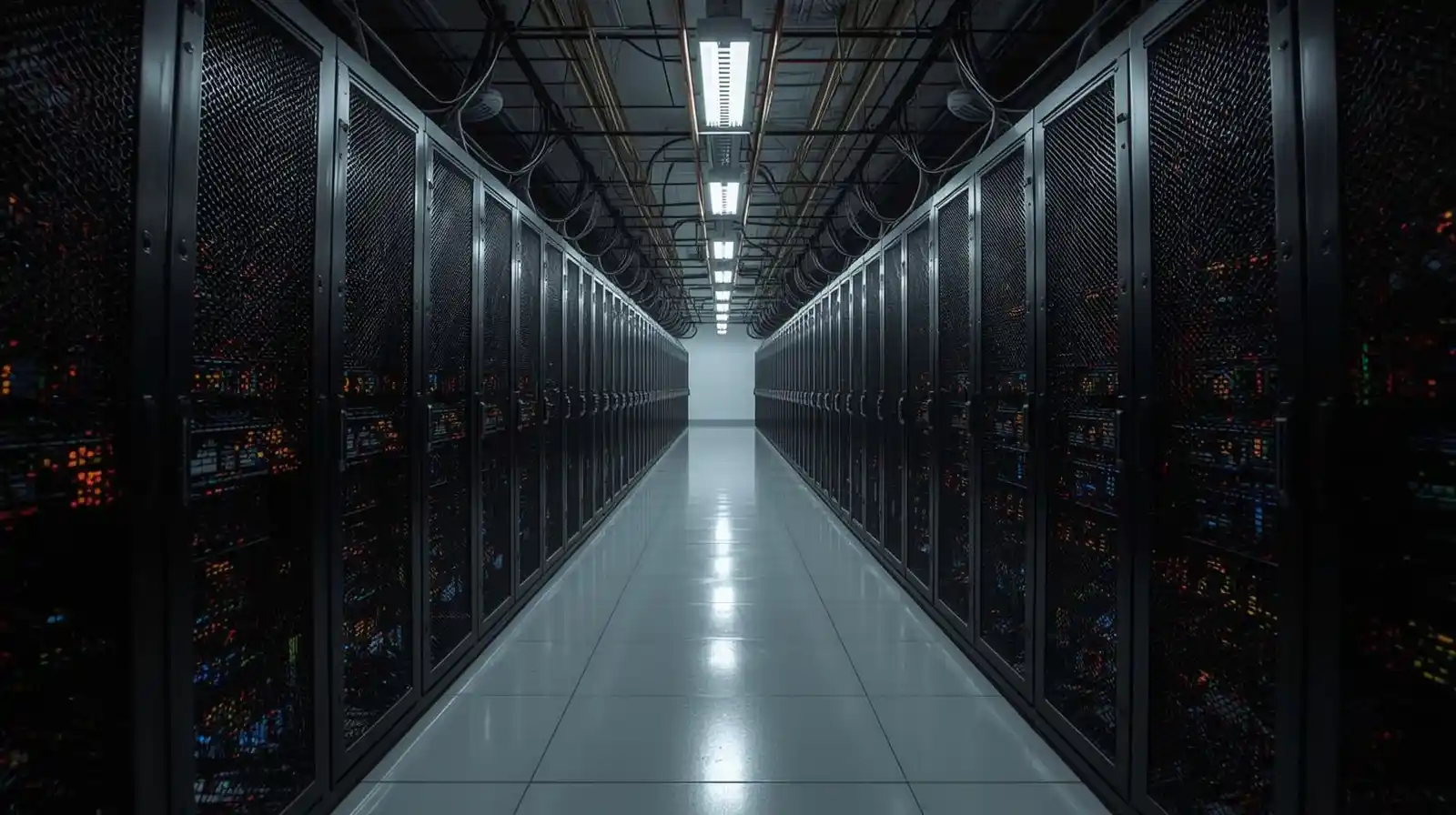
Businesses rely on fast information movement. Websites, apps, cloud software, cameras, and security tools all depend on stable connections. Even a short delay can affect sales, customer service, or internal operations. A strong cabling setup is the base that holds everything together. Without a good foundation, even the best equipment cannot perform at its highest level.
A steady cabling plan also helps with future changes. Businesses grow, add devices, open new spaces, or upgrade servers. If the original cabling is messy, each change becomes a struggle. But if the base is well built, adding or removing devices becomes simple. It saves money, time, and stress. Companies that choose structured cabling early are preparing for long term success without repeated rebuilds or risky repairs.
The Core Challenges Companies Face When Managing Growing Cabling Needs
Cabling problems usually appear slowly at first. A company adds one server, then a few more. A new switch gets placed in a corner. Another cable gets added without a plan. Soon wires begin to overlap and fill gaps that were not meant for them. Over time, the data center becomes crowded, hard to move through, and risky to maintain.
Heat becomes one of the biggest problems. When cables block vents or sit too close together, airflow struggles. Equipment warms up and begins to slow down. In extreme cases, parts can fail suddenly because the heat has nowhere to go. Messy cables also make it harder to trace a single line during repairs. Technicians waste time pulling and sorting wires. Mistakes become more common because nothing is clearly labeled.
Another challenge is equipment stress. When cables hang loosely or stretch too far, the ends can pull on ports and weaken them. Even a small tug can disconnect a device or damage a connector. With structured cabling, these issues disappear, which is why companies that plan early avoid these long term risks.
How Organized Infrastructure Cable Systems Support Reliable Network Performance
A well organized infrastructure cable system does more than look neat. It helps the network breathe and function smoothly. When cables are arranged in clear paths, air can move freely through the racks. This keeps servers cool, lowers energy costs, and helps hardware last longer. Good airflow also reduces the chance of sudden shutdowns caused by overheating.
Clean layouts also support troubleshooting. If a technician can quickly follow a cable from one device to another, problems get solved faster. This lowers downtime and makes the system more reliable. Organized cables also avoid interference, which is important for clean data flow. When cables stay in the right distance and position, data travels with fewer errors and delays.
Key Elements of Structured Cabling Data Center Design That Improve Long Term Stability
A strong data center starts with thoughtful planning. Before any cable is installed, the entire space is mapped out. Designers look at the number of racks, the placement of switches, and the power layout. They plan routes that avoid tight corners, sharp bends, or overcrowded paths. This planning stage creates a stable backbone for everything that comes later.
Another important element is choosing the right materials. High quality cables handle more speed, last longer, and resist wear. Strong connectors help prevent loose connections. Good support systems like ladders, trays, and rails keep cables from sagging or pulling. The combination of good planning and durable materials builds a system that stays stable for many years.
Documentation is also a key part of long term success. Every cable and connection point is recorded so updates and repairs can be made safely. When teams know exactly where everything goes, they avoid accidents and work confidently.
Best Practices That Keep Data Center Cable Management Clean and Easy to Maintain

Cable management becomes simple when a few basic rules are followed. One rule is separation. Power cables and data cables should never sit too close together. Keeping them apart reduces noise, stops interference, and protects data quality. Another rule is clear labeling. Every cable should have easy to read labels at both ends. This helps teams trace connections without confusion.
Color coding is another helpful practice. When each type of cable has its own color, the entire room becomes easy to understand at a glance. Blue may mark one network, yellow another. This avoids mistakes and prevents dangerous unplugging errors.
Strong support systems are also important. Cable trays hold heavy wires. Vertical racks keep long cables in order. Velcro straps prevent pressure on ports. When cables stay supported, they stay safe and last longer. This also leaves the floor clear and reduces tripping hazards.
How Proper Cabling Standards for Data Center Environments Reduce Risks and Downtime
Standards protect businesses by giving them clear rules to follow. They guide how long cables can be, how they should bend, and how they must be spaced. When these rules are followed, cables stay healthier and signals travel smoothly. Standards also reduce the risk of overheating because they help keep pathways open and well ventilated.
Following standards also makes upgrades predictable. When a new device arrives, the team knows the exact type of cable and connector to use. They do not waste time guessing or moving cables around. This reduces downtime and prevents mistakes that could break equipment or cause outages. Standards turn a data center into a safe, dependable space.
Smart Cable Management Methods Used by Professional Data Center Cabling Companies
Professional companies use methods that come from many years of experience. They start with structured pathways that guide every cable from point A to point B. They also use testing tools that check each cable for speed, strength, and stability. These tests catch weak spots before the system is turned on.
Professionals often build raised floors or overhead racks. These systems protect cables from heat, debris, or foot traffic. They help keep cables off the ground and away from risk. Experienced teams also understand how cooling systems work. They place cables in ways that help airflow move around the entire data center.
Professionals also document everything they install. This includes maps, labels, and charts. Good documentation helps with repairs and future upgrades. It also shows that the company cares about safety and quality.
What Businesses Should Look for When Choosing a Reliable Data Center Installation Partner in Phoenix, AZ
Choosing a partner for data center installation is an important decision. A business should look for a team that has proven experience, strong attention to detail, and a clear understanding of structured cabling. A partner should also be able to explain their process in simple language that any team member can understand.
Good partners focus on safety first. They follow standards, protect airflow, and plan for growth. They also listen to the needs of the company and design a setup that fits both current and future goals. Clear communication and strong documentation also show that the partner is ready to support the business for many years.
Why Many Organizations Trust Datatelaz for Careful Infrastructure Planning and Cabling Execution

Datatelaz has earned trust because they focus on quality from the start of every project. Their team understands how to build stable systems that support long term performance. They plan routes, check airflow, and choose strong materials to protect each connection. Their careful approach helps businesses avoid common problems that come from poor cabling.
Datatelaz also believes in clear communication. They explain their design, show their plans, and guide businesses through every step. They test cables, document layouts, and train teams to understand the system. Their work is built to last, which is why many companies choose them for safe, reliable cabling.
A Simple Next Step to Upgrade or Improve Your Data Center Structured Cabling
Upgrading cabling can give your business more speed, stability, and control. A clean and organized setup helps protect your data flow and make your daily work easier. When cables stay safe, the whole system becomes stronger. This creates a reliable network that supports growth, change, and long term planning.
If your system feels crowded or outdated, this is the right time to explore a stronger design. A structured plan will help your team feel more confident and protect your business from sudden failures.
If you want a safer, cleaner, and more reliable data center, reach out today and talk with a professional team that can guide you from planning to installation. This simple step can protect your data and support your long term goals.
