5 Key Facts About Fiber Optic Cable Bandwidth
Fiber Optic Cable Bandwidth means how much data a fiber cable can carry at one time, and the clear answer is that fiber offers the highest bandwidth of all common connection types. It moves information with light, so it is faster, cleaner, and stronger than copper. Most people choose fiber because it gives very high speed and large data capacity without slowing down. In this blog, you will learn how it works, how much data it can handle, and why it helps homes and businesses stay connected.
Why Fast Data Connections Matter Today
People depend on the internet for almost everything. Families stream shows, play games, watch videos, work online, and join video calls. Businesses use cloud tools, send files, and talk with customers. Schools use online learning. Shops take digital payments. When the internet is slow, everything feels heavy and stressful. Pages take too long to load. Videos freeze. Calls break. Work stops.
Fast data connections are important because they help life move smoothly. When a connection can carry more information at once, there is less waiting. This is why many people want stronger systems that can keep up with daily digital needs.
Technology continues to grow. Apps run bigger files. Videos come in higher quality. Games need more data. Smart devices fill homes. Every new tool uses the internet. Because of this, strong and stable connections are more important than ever. Fiber cable is one of the best ways to support all of this growth.
How Modern Networks Handle Heavy Digital Use
Modern networks move data through cables or wireless signals. Some systems use copper wires. Others use fiber optic cables. Wireless networks use radio signals. Every method has limits. When too many people use the same line, the system can slow down.
A network handles digital use by sending tiny pieces of data from one place to another. These pieces move through a path until they reach a device. Strong networks send these pieces fast. Weak networks struggle. When the path becomes full, the flow slows down. This creates lag, buffering, or low quality connections.
Homes and businesses now use many devices at the same time. Phones, tablets, computers, smart TVs, and smart cameras all pull data. This creates heavy digital pressure. Fiber networks help reduce this pressure because they have a very high capacity. They can move large amounts of information without slowing.
When people understand how networks handle digital use, it becomes easier to see why fiber is often better. It supports more devices with more speed. That is why companies and families are choosing fiber over older systems.
What Makes Fiber Optic Technology Different
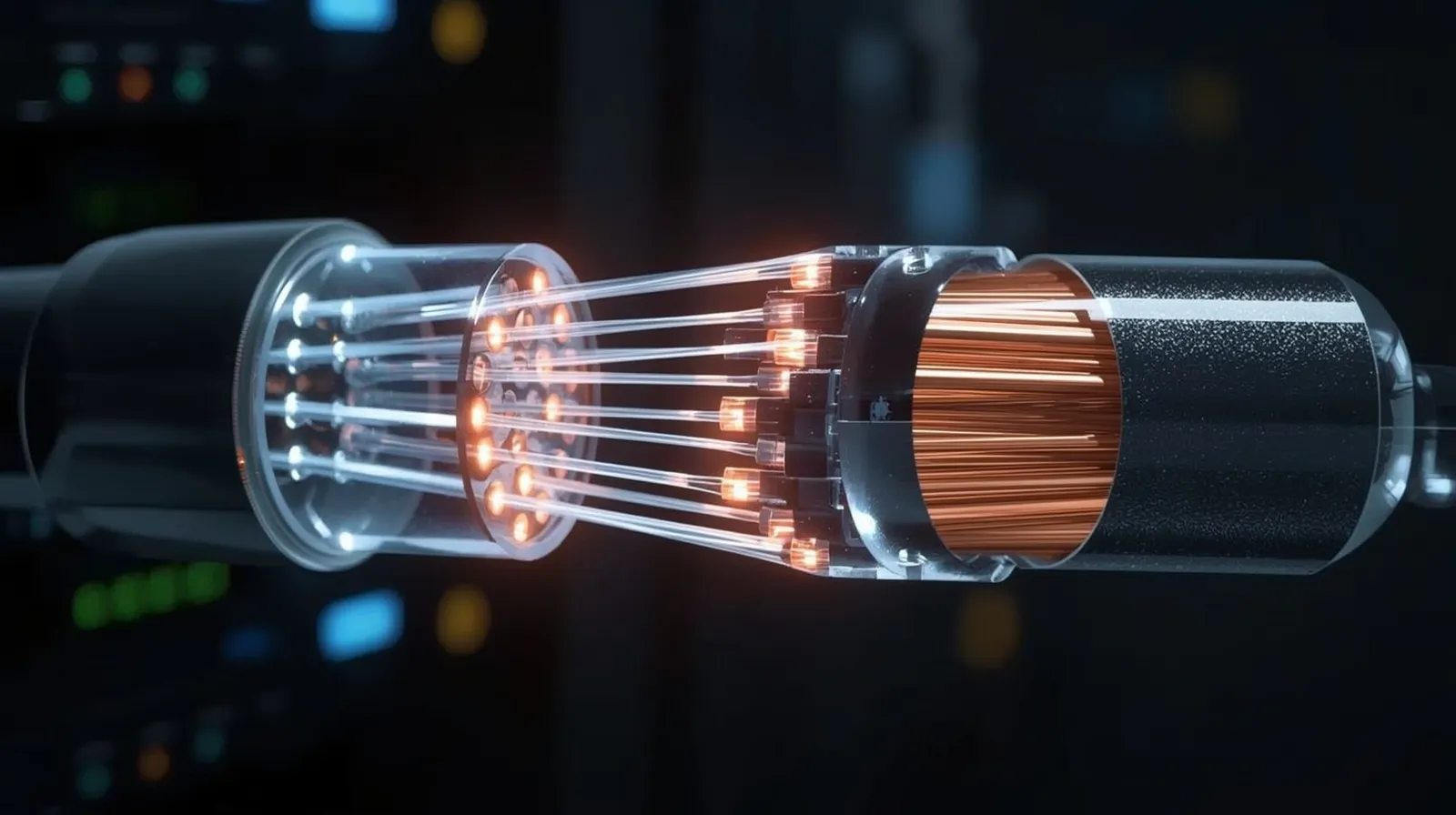
Fiber optic technology uses light to move data. This is different from copper cables that use electricity. Light moves faster and stays clearer over long distances. When electricity moves through metal, it loses strength. When light moves through fiber, it stays strong.
A fiber cable has tiny glass strands inside. These strands guide light signals from one end to the other. Each signal carries bits of information. Because light is fast and steady, fiber can support very high speeds. This makes it useful for streaming, video calls, gaming, security systems, cloud tools, and more.
Fiber optic systems also resist interference. Many copper cables pick up noise from other wires or weather conditions. Fiber does not have this problem. The signal stays clean. This gives users a stable connection throughout the day.
People prefer fiber because it is reliable. When a network uses fiber, it handles busy times without slowing. This makes it a trusted solution for homes, offices, hospitals, schools, and data centers.
Understanding Fiber Optic Cable Bandwidth
Now we reach the main topic. Fiber Optic Cable Bandwidth means the amount of data a fiber cable can carry in a single moment. This is the primary keyword you gave. Bandwidth is like the width of a road. A wide road fits more cars. A narrow road fits fewer cars. In the same way, higher bandwidth means more data can travel at once.
Fiber offers very high bandwidth because it uses light. Light waves can carry huge amounts of information. Fiber bandwidth depends on the type of cable, the quality of equipment, and the network setup. Even with basic setups, fiber supports more data than copper or wireless systems.
People often confuse bandwidth with speed. Speed means how fast the data moves. Bandwidth means how much data can move at one time. Fiber is strong in both areas. It carries a lot of data and moves it fast. This makes it one of the best connection types available.
This is the clear answer many people want. If someone asks how strong fiber bandwidth is, the simple truth is that it is higher than most other connection types. That is why fiber is used in large systems like schools, internet providers, and data centers.
The Role of Speed in Optical Fiber Performance
Speed in fiber connections comes from light moving through the cable. Light moves very quickly. Because of this, fiber optic cable speed stays high even when the cable runs long distances.
Some related terms include optical fiber speed, fiber optic cable speed, and the data rate of optical fiber. These terms describe how fast information travels. Fiber keeps this speed stable because the signal does not weaken easily. There is very little resistance inside the glass strands.
This makes fiber one of the fastest forms of internet connection. It handles video streams, large file downloads, cloud backups, online gaming, and security camera feeds with ease. Many people switch to fiber because they want consistent speed all day. They do not want the system to slow when more people come online.
Speed also affects how smooth a device feels. When a connection is fast, apps open quickly. Videos load without delay. Files upload faster. Games run cleaner. Everything feels easier. Fiber gives this smoother experience because of its natural speed advantage.
How Much Data Fiber Optic Lines Can Carry
Fiber cables can carry a very large amount of data. This is one reason they are used in big networks and internet companies. When a cable carries more data at once, it helps prevent slowdowns. It also helps support many devices working at the same time.
A common question is how much data fiber optic lines can carry. The answer depends on the type of fiber. Single mode fibers carry the most. They use a single beam of light that travels long distances without losing shape. Multi mode fibers also carry a lot of data, but they work better for shorter distances.
Even basic fiber systems support more data than copper or wireless networks. This is why data centers and large companies use fiber for backbone connections. It keeps the system stable under heavy use.
Fiber supports huge amounts of information because light waves can be tightly packed. Many signals can move through the same strand without getting mixed. This allows more channels of data. This is called high bandwidth capacity.
Factors That Affect the Maximum Bandwidth of Fiber Optic Cable
Several things affect the maximum bandwidth of a fiber optic cable. One factor is the cable type. Single mode cables usually carry more data than multi mode. Another factor is the equipment used at both ends. Modern equipment supports higher data rates.
Length also affects bandwidth. Longer cables might need repeaters to refresh the signal. Without these tools, the cable may not reach its full potential. The environment also matters. Clean paths and proper installation support stronger performance.
Sometimes people ask about the max bandwidth of fiber optic cable. This number depends on the system design. Some systems reach very high data rates. Others are built for shorter ranges. The important thing to know is that fiber provides more bandwidth than copper and most wireless systems.
Even in smaller setups, fiber performs very well. It supports many devices. It handles streaming, gaming, and cloud tools without problems. This makes it useful for homes and businesses with heavy digital needs.
Maximum Length of Fiber Optic Cable and Why It Matters
Fiber cables can run long distances without losing much signal. This is a strong advantage. Copper cables lose strength quickly. Fiber stays clear for many miles. This helps companies build large networks.
People often ask about the maximum length of fiber optic cable. The answer depends on the type. Single mode fiber can reach very long distances. Multi mode fiber is shorter but still strong for many uses. Cables that run longer distances sometimes need boosters or repeaters to keep the signal stable.
The reason length matters is that long cables can support large buildings, campuses, or network paths. Fiber helps systems connect rooms, floors, buildings, or even cities with fewer problems. It also keeps speed consistent because the signal stays strong.
This is another reason fiber is used in internet provider networks. They need cables that run long paths without losing quality. Fiber is the best choice for this purpose.
Which Connections Provide the Highest Amount of Bandwidth

When people ask which type of connection offers the highest amount of bandwidth, the simple answer is fiber. Wireless and copper systems do not match its capacity. Some systems may perform well for small uses, but they cannot carry as much data at once.
Fiber offers the most bandwidth because it uses light. Light signals can hold more information than electrical signals. This is why fiber supports very high-speed internet plans and large data transfers.
Some related search terms include highest amount of bandwidth, what connection provides the highest amount of bandwidth, and optical cable bandwidth. All of these point to the same truth. Fiber gives the highest bandwidth among common connection types.
Homes benefit from fiber when many devices connect at the same time. Businesses benefit when they need to move large files or support many users. Fiber is strong enough to handle these needs with low stress on the system.
Real Benefits of Strong Fiber Bandwidth for Homes and Businesses in Phoenix, AZ
Fiber brings real value to many homes and businesses. With strong bandwidth, people get fast loading times, smooth video calls, and quick downloads. Families enjoy streaming movies without buffering. Students complete homework without delays. Gamers enjoy clean play without lag.
Businesses also gain benefits. They send files faster. They join online meetings without low quality images. They run cloud tools with ease. Their customers get better service because the internet does not slow their work.
In Phoenix, AZ, many companies and homes want reliable networks that handle modern digital pressure. Fiber is one of the best ways to support this because it stays stable during high use. It handles many devices at once. It keeps speeds high even when the system is busy.
When a city grows, the demand for better networks grows with it. Fiber helps support this growth. It prepares homes and businesses for the future, where more tools and devices will need strong connections.
Why Datatelaz Is a Trusted Partner for Fiber Solutions
Strong fiber networks need good planning. They need clean installation and skilled hands. This is where Datatelaz offers real support. The team understands how fiber works. They know how to place cables, plan networks, and design systems that stay strong.
When people choose fiber, they want confidence in the work. They want the cables installed the right way. They want systems that run without trouble. Datatelaz brings this trust by using quality materials and careful methods. Their experience helps customers feel safe knowing their connection will support daily needs.
Fiber is a long term investment. When installed with skill, it supports homes and businesses for many years. It is more stable than copper. It is faster than wireless. It stays reliable even as technology grows. That is why people keep choosing fiber and why trusted experts matter.
If you want stronger and cleaner internet with the right setup from a trusted team, reach out today and get started.
