Fiber Optic Internet vs Cable, A Practical Comparison
The clear answer to fiber optic internet vs cable is simple. Fiber internet is faster, more stable, and more reliable than cable internet for most modern users. It sends data as light through optical fibers, while cable internet uses older electrical signals. This difference affects speed, reliability, and long term value.
People often feel confused when choosing internet service. Many ads sound the same, and speed numbers do not always tell the full story. Some homes do well with cable internet, while others benefit more from fiber optics internet. The right choice depends on how the internet works, how you use it, and how future proof you want your connection to be.
This guide explains fiber optic internet vs cable in clear language. It compares speed, reliability, cost, and everyday use so you can decide with confidence.
What Is Fiber Internet and How Is It Different From Cable
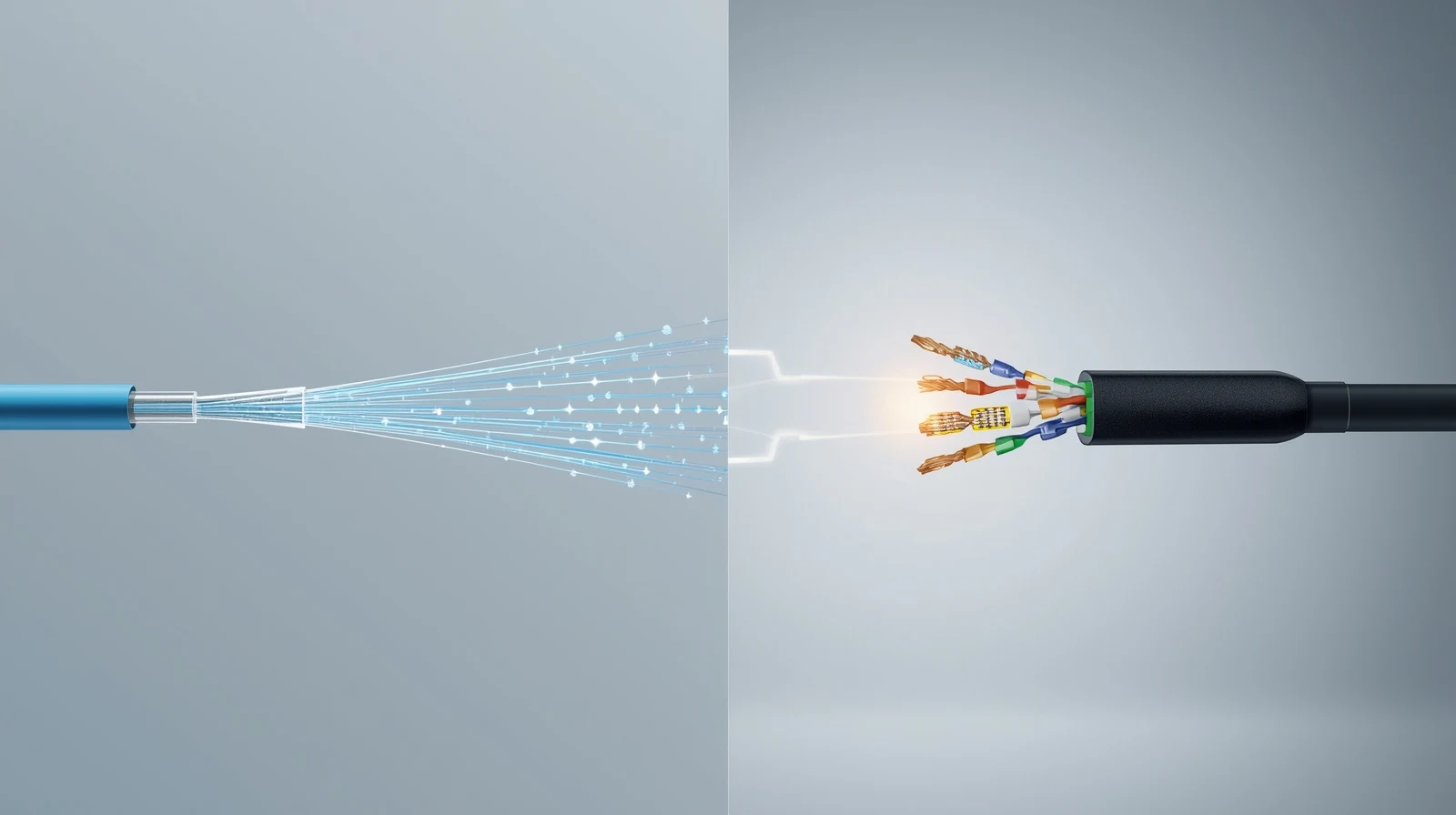
Fiber internet uses fiber optic cable made from glass or plastic strands. These strands send data as light instead of electricity. Because light moves very fast, fiber optics internet can carry more data over longer distances without losing strength.
When people ask what is fiber internet, the simple answer is this. It is a modern internet system built for speed, stability, and heavy use. Fiber internet cable does not slow down easily, even when many devices connect at once.
Fiber optics versus cable technology matters because fiber does not suffer from electrical noise. Weather, distance, and nearby connections have less impact. This makes fiber optic internet more consistent during busy hours.
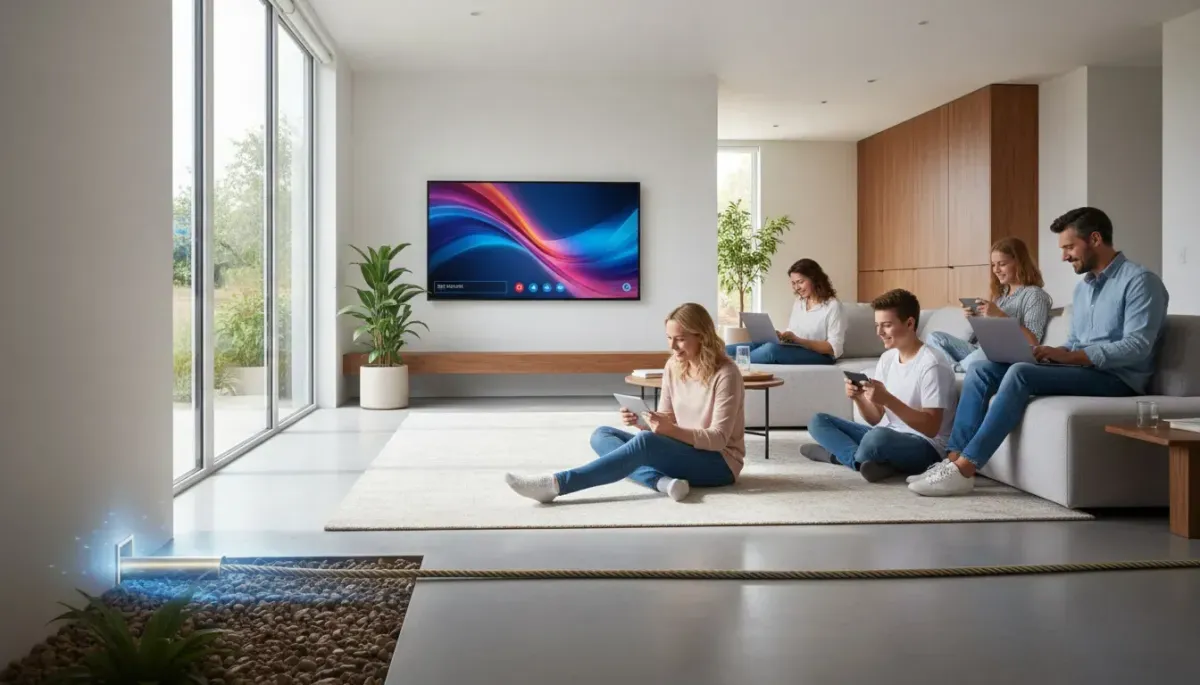
Fiber internet is often used by businesses, remote workers, gamers, and families that stream video daily. It also supports future upgrades without changing the physical fiber cable.
What Is Cable Internet and How Does It Actually Work
Cable internet sends data through coaxial cable lines. These lines were first designed for cable TV service, then adapted for internet use. Cable internet works well, but it shares bandwidth with nearby users.
When many homes use cable internet at the same time, speeds can drop. This often happens in the evening. That is why some people notice slower streaming or buffering after work hours.
Cable and fiber optic systems differ because cable relies on electrical signals. Electrical signals lose strength over distance and can face interference. This does not mean cable internet is bad. It simply means it has limits.
Cable internet remains common because it is widely available and easy to install. For light browsing and basic streaming, cable internet still meets many needs.
Fiber Optic Internet vs Cable, The Core Technology Difference
The main difference between cable and fiber internet is how data moves. Fiber optic cable sends light signals. Cable internet sends electrical signals. Light moves faster and stays stronger.
Fiber optics vs cable internet comparisons often focus on speed, but stability matters just as much. Fiber optic vs cable internet speed stays more consistent throughout the day. Cable speeds may change based on traffic.
Another difference involves distance. Fiber optics internet can travel miles without major loss. Cable internet loses signal strength sooner and needs more boosters.
These technology differences explain why many experts say fiber optic internet is better than cable for long term use.
Fiber vs Cable Internet Speed, Uploads, Downloads, and Real Use
Fiber vs cable internet speed looks different on paper and in real life. Fiber internet usually offers equal upload and download speeds. Cable internet usually has slower uploads.
Upload speed matters more than many people think. Video calls, cloud backups, gaming, and smart home devices all depend on uploads. That is why many ask is fiber faster than cable.
In real use, fiber internet speed vs cable stays steady. Cable internet may feel fast at first, then slow down during peak hours. This happens because neighbors share the same line.
For families that stream, work online, and game at the same time, fiber optics internet handles the load better.
Internet Reliability Explained, How Fiber and Cable Perform Day to Day
Fiber internet stays stable even during bad weather because fiber optic cable does not rely on electrical signals.
Cable internet can slow down during storms or peak evening hours when many users go online at the same time.
Fiber internet does not share bandwidth the same way, so speeds stay steady throughout the day.
Fiber optics internet experiences less signal loss over long distances.
Cable lines are more exposed to interference from nearby connections and aging infrastructure.
Fiber optic lines last longer and need fewer repairs over time.
Fewer outages mean less downtime for work, streaming, and daily tasks.
Video calls stay clear and smooth on fiber internet, even with multiple devices connected.
Reliable internet reduces frustration and improves productivity at home and work.
This consistency is why many users trust fiber internet for long term stability.

Fiber Optic vs Cable Internet for Streaming, Gaming, and Work
Streaming video needs steady download speeds. Gaming needs low delay. Work needs stable uploads. Fiber optic internet vs cable handles these needs differently.
Fiber optics tv service delivers clearer streams without buffering. Cable internet can stream well, but shared traffic may cause drops.
Online gaming benefits from fiber because light based signals reduce delay. This helps reactions feel instant.
Remote work also benefits. Video meetings stay clear, file uploads finish faster, and cloud tools respond smoothly.
Cost, Availability, and Value Over Time
Cable internet often costs less at the start and is available in more areas. This makes it a common choice for basic internet needs. Fiber internet may have a higher initial cost, but it delivers stronger performance and better reliability. Fiber or cable internet pricing depends on speed levels and local access, yet fiber plans often provide higher speeds and better upload performance for the price.
Over time, fiber optics internet can offer better value because it supports future speed increases without frequent plan upgrades. Cable internet users may need higher tiers as more devices and services are added. When choosing internet service, long term stability and performance matter more than the lowest monthly cost, because reliable internet saves time, reduces frustration, and supports daily needs more effectively.
Is Fiber Faster Than Cable for Growing Households and Businesses
More devices connect to home networks every year, which increases internet demand.
Streaming in high quality uses more bandwidth than older video formats.
Smart TVs, cameras, and smart home devices stay connected all day.
Fiber versus cable internet handles many active devices without slowing down.
Fiber internet supports higher upload speeds for work and cloud use.
Cable internet may slow during busy hours because neighbors share bandwidth.
Businesses depend on fast uploads for backups and video meetings.
Fiber optic cable supports future speed upgrades without replacing lines.
Fiber internet remains stable as usage grows over time.
This is why many people find fiber optic internet faster than cable for long term needs.
How to Decide Between Fiber and Cable Internet for Your Area
Choosing the right internet connection depends on a few practical factors. Understanding these points makes the decision easier and avoids guesswork.
Availability comes first
Not every neighborhood has access to fiber internet. Some areas only support cable internet because fiber lines have not been installed yet.Internet usage level matters
Homes that stream videos, play online games, or use video calls daily benefit more from fiber optics internet. Light browsing and email use often work fine on cable internet.Number of connected devices
More phones, TVs, computers, and smart devices increase demand. Fiber internet handles multiple devices better without slowing down.Upload speed needs
Upload speeds matter for work, backups, and video calls. Fiber internet usually offers stronger upload performance than cable internet.Infrastructure quality
Fiber internet works best when the full fiber path connects directly to the home. Partial fiber systems may not deliver full benefits.Long term reliability
Fiber optic cable is less affected by weather and network congestion, which improves stability over time.Local service insight in Surprise, AZ
A local review of available infrastructure helps identify which option delivers better real world performance in your area.
Understanding these points helps you choose a connection that fits your needs today and supports future growth.
Why DataTel Helps You Choose the Right Internet Without Guesswork
Choosing internet should not feel confusing or stressful. Many people feel overwhelmed by speed numbers, technical terms, and sales promises that sound good but do not match real life use. Experience matters when comparing fiber optic vs cable internet options, because the best choice depends on how the internet actually performs day to day.
DataTel focuses on real world performance, not just advertised speeds. Instead of pushing one option, the team looks at how you use the internet. That includes how many devices you have, whether you work from home, stream video, game online, or run a business. This practical approach helps avoid overpaying or choosing a service that does not meet your needs.
With hands on knowledge of fiber optics internet and cable internet systems, DataTel explains the differences in plain language. Customers understand what they are paying for and why it matters. Honest recommendations build trust and help people feel confident in their decision, both for today and for future needs.
If you want clear answers and help choosing the best internet option for your home or business, reach out to DataTel today and get guidance you can trust.
