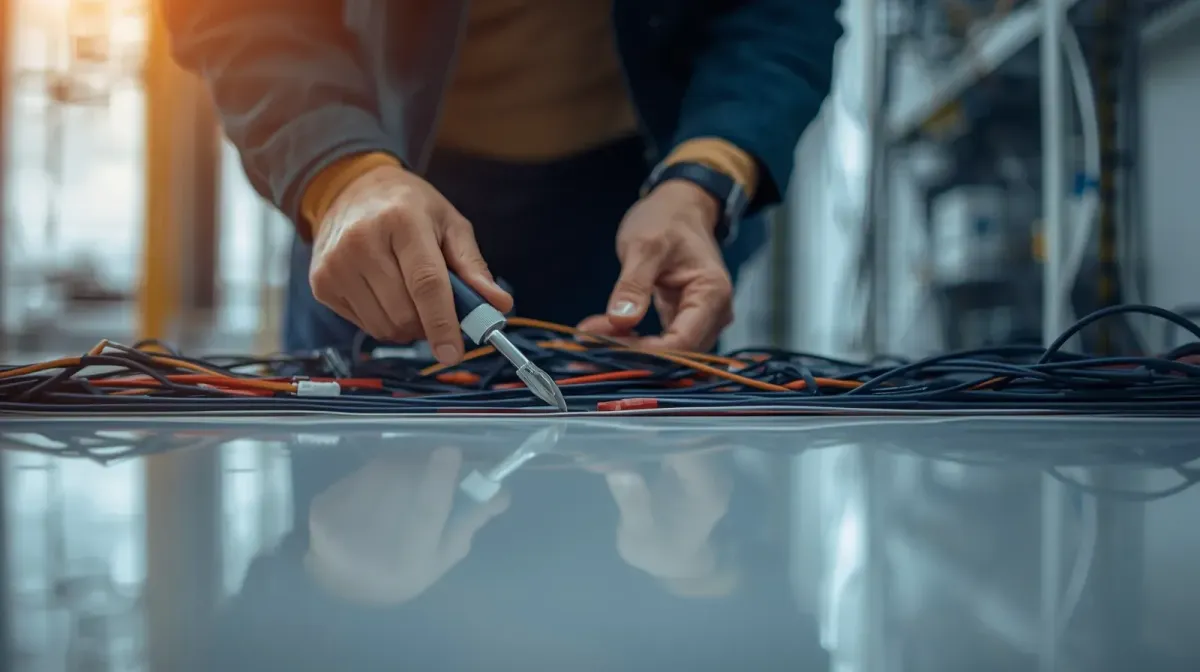
Smart Guide to Low Voltage Wiring Solutions
Low voltage wiring is a safe electrical system that carries a small amount of power, usually under 50 volts, to support lighting, data, security, and communication systems without high shock risk.
Low voltage wiring is used to move signals and light power instead of heavy electrical loads. It helps homes and buildings run modern systems like internet, cameras, doorbells, and smart lighting safely and efficiently. This guide explains how it works, where it is used, and why proper installation matters.
Low Voltage Wiring Explained in Simple Terms
Low voltage wiring is a special kind of wiring that carries small amounts of electricity to help different systems work, such as internet lines, cameras, speakers, alarms, and soft lighting. It does not carry the strong power you find in outlets. Instead, it carries gentle power meant for communication, control, and data.
Using low voltage wiring keeps systems safe, cool, and reliable. Because the voltage stays low, the risk of shock also stays low. It is one of the reasons modern homes run so many smart devices without safety issues.
Many people do not think about how these systems work behind the walls. But every time someone rings a smart doorbell, streams a movie, or turns on landscape lights, low voltage wiring helps power that moment.
Knowing how it works makes it easier to plan home upgrades, avoid mistakes, and understand when it is time to ask a professional for help.
Good wiring gives a clean signal, strong performance, and fewer problems later. That is why builders and homeowners rely on it so much today.
Understanding What Low Voltage Really Means
Low voltage simply means electrical power that is much lower than what runs through normal outlets. A phone charger uses tiny power. A light switch feeds strong power. Low voltage sits in between but stays on the safe and low side.
For example
• Standard household outlets run around 120 volts
• Low voltage systems run at 12 volts, 24 volts, or sometimes 48 volts
Because of the lower voltage, the heat stays lower, the wires stay smaller, and the system stays safer. These systems are not meant to power appliances like ovens or fridges. Instead, they help devices communicate, send signals, and perform simple tasks.
Low voltage electrical systems also help reduce energy use. They give enough power for what the device needs without wasting extra energy. That is why they are common in modern technology.
Understanding voltage levels helps people know which systems they can handle themselves and which ones need trained hands.
What Is Considered Low Voltage Wiring

Low voltage wiring includes all the cables, wires, and connectors designed to carry low amounts of electricity. These wires are usually thinner and softer than regular electrical wires. They are not built to handle high power loads but are perfect for signals, sound, sensors, or dim lighting.
Some examples include
• Doorbell wires
• Internet cables
• Security system wires
• Speaker wires
• Thermostat wiring
• Landscape lighting wiring
Low voltage conductors still must be handled with care. Even though they do not carry dangerous power, incorrect wiring can break a system, cause interference, or stop signals from reaching devices.
Because of this, low voltage wiring is still considered a skilled trade. Professionals learn how to avoid interference, plan cable paths, keep systems clean, and protect performance.
These small details matter more than most people realize.
Common Uses of Low Voltage Wiring in Homes and Buildings
Low voltage systems appear almost everywhere even though most people never see them. They help homes stay connected, safe, and comfortable. They also help businesses run smoothly every day.
Some of the most common uses include
• Internet and WiFi systems
• Smart doorbells and cameras
• Alarm systems
• Landscape lighting
• Smart thermostats
• Access control systems
• Intercom and audio systems
• Lighting control for dimmers and scenes
Low voltage systems help reduce fire risk, lower power draw, and support long distance communication across a building.
Modern homes are filled with low voltage systems because technology keeps growing. Each device needs clean signals to work correctly. That is why strong wiring is so important.
Low voltage wiring also makes buildings ready for future upgrades. Adding new devices becomes easier when good wiring is already in place.
Types of Low Voltage Wires and Cables You Should Know
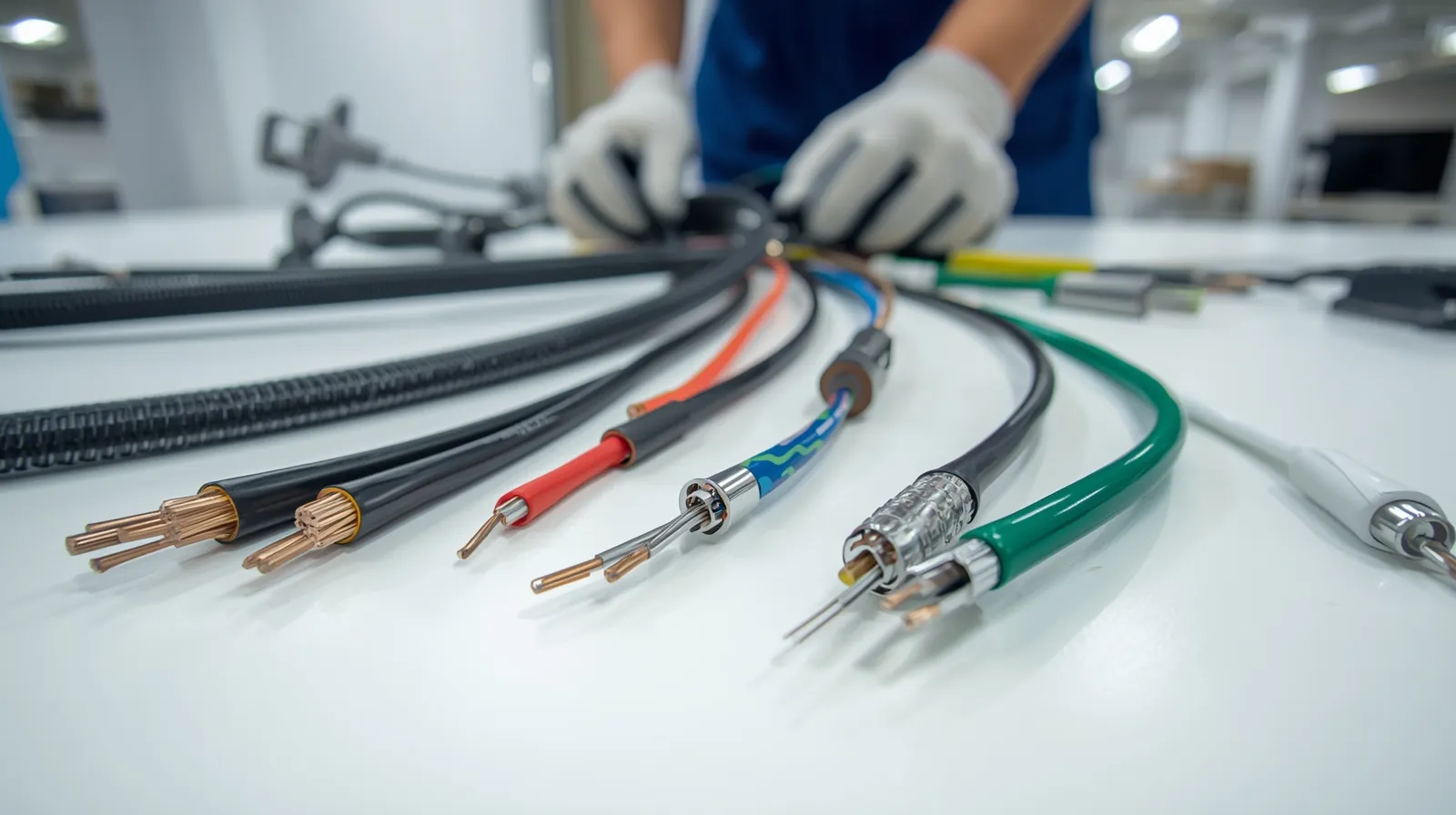
There are many types of low voltage cables, each used for a different task. Learning them helps prevent confusion when planning a project.
Here are some of the most common types
• Twisted pair cable, often used for internet and communication lines
• Coaxial cable, used for video systems
• Speaker cable, designed to carry sound
• Thermostat wire, built for control signals
• Landscape lighting wire, made to handle outdoor elements
• Structured wiring bundles, used for home technology systems
Each cable type comes with a different level of shielding and insulation. Shielding helps reduce interference from other cables or electrical lines. Some cables carry signals long distances, while others are meant for short runs.
Choosing the right type keeps the system stable, clear, and strong. Picking the wrong one may lead to weak signals, noise, or system failure.
This is where trained installers add value. Their experience helps avoid performance problems in the future.
Basic Low Voltage Wiring Connections and How They Work
Low voltage connections help devices communicate smoothly. The wiring works by creating a simple loop between the power source and the device. When the loop completes, the device receives the signal or small amount of power it needs.
These systems are quiet. They do not spark or hum like traditional electrical lines. But they do require clean connections.
Loose connections can cause
• Weak signals
• Flickering lights
• Dropped internet
• Failed sensors
• Noisy audio
A clean connection helps the system work well for years. Even one bad wire can break an entire network.
Testing each connection helps ensure every device performs correctly. This is one of the steps professionals handle during installation.
Low Voltage Wiring Installation Basics for Beginners
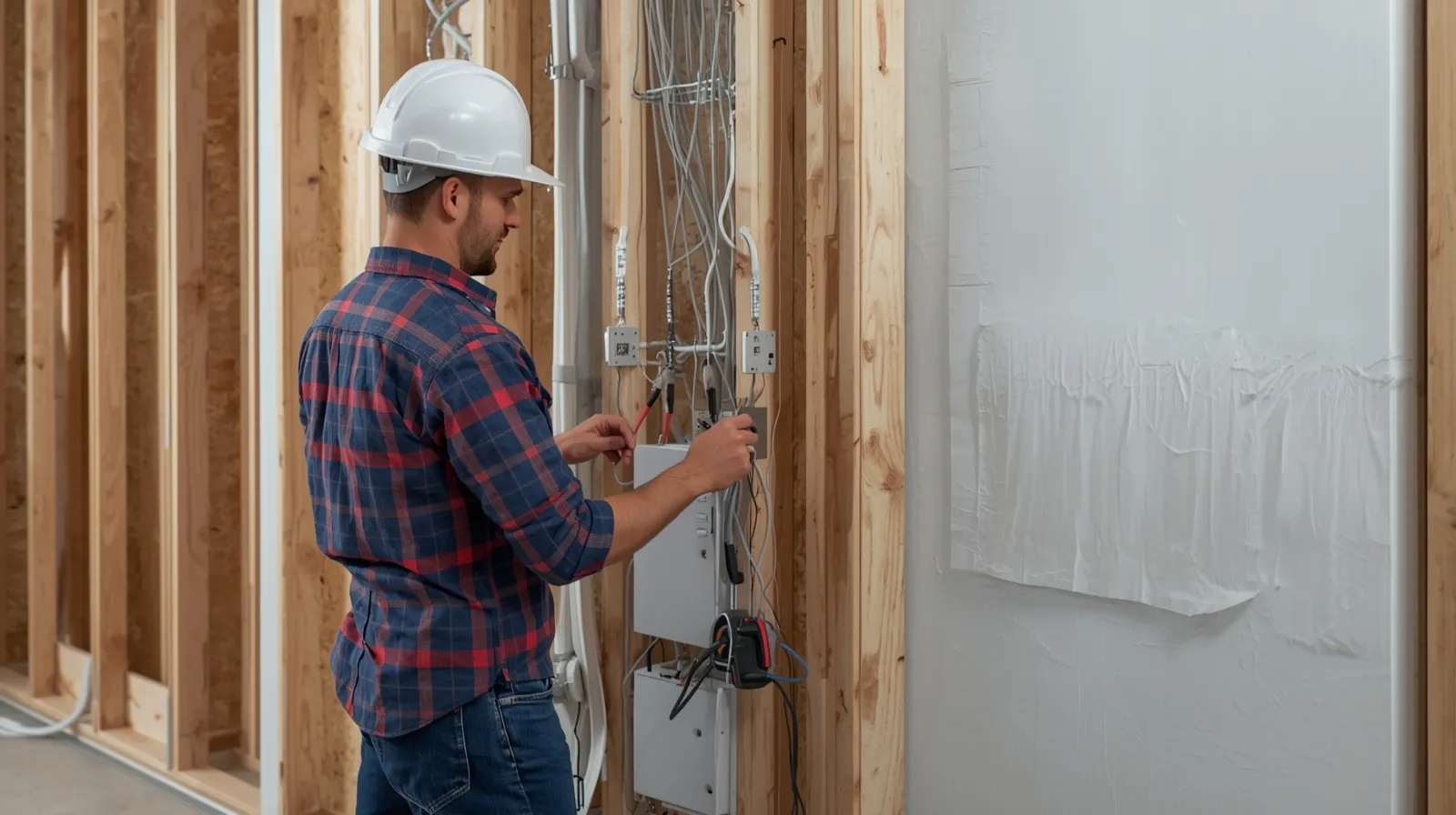
Installing low voltage wiring may look simple, but it needs planning. Cable paths should be smooth and safe. Wires must not bend sharply or sit near strong electrical lines. Stronger lines can cause interference that ruins the signal.
Here are some basic rules
• Plan the path before running the wire
• Avoid hot areas like near heaters or vents
• Keep low voltage wires away from high voltage lines
• Use labels to avoid confusion later
• Protect wires in walls to prevent damage
• Test all lines before closing the wall
Running low voltage wire outside requires weather protection. Moisture, sun, and soil can damage exposed cables unless they are rated for outdoor use.
While many homeowners enjoy small DIY projects, large low voltage installations benefit from experienced installers. They understand code rules, wire spacing, safety standards, and performance needs.
Good installation prevents unhealthy wear and keeps systems dependable.
Low Voltage Wiring Diagrams and Visual Planning Tips
Wiring diagrams help people understand how their systems will look and work. These diagrams show where each wire goes, how the devices connect, and how power flows across the system.
Switch wiring diagrams show how lighting scenes work. Low voltage lighting wiring diagrams help plan transformers and wire paths. Both diagrams help installers avoid mistakes that would be hard to fix later.
Visual planning also helps decide
• Where cables should run
• How many wires each room needs
• Where to place control panels
• How to avoid interference
Clear planning reduces installation time and makes future upgrades easier. It also helps people understand their own system better.
Residential Low Voltage Wiring for Modern Homes
Modern homes depend on low voltage systems more than ever. Internet, cameras, smart lights, and sensors all rely on clean, steady wiring. Residential low voltage wiring keeps all these systems organized and ready for long term use.
Indoor low voltage wire runs behind walls and ceilings to reach different rooms. These wires connect routers, speakers, smart switches, and security devices. When planned well, they allow homeowners to add new tech without tearing into walls.
Good home wiring improves
• Safety
• Comfort
• Energy efficiency
• Communication
• Entertainment systems
A home with strong low voltage wiring feels more connected and secure. It is also easier to manage and adjust over time.
Why Professional Low Voltage Wiring Matters in Phoenix, AZ
Phoenix has a hot climate that can affect how wires age and perform. Heat can damage cables if they are not installed correctly or rated for the environment. Professional installers understand these challenges and choose materials that stand strong over time.
Buildings in the area also use specific framing and insulation styles. Skilled installers understand how to work around these materials safely. They know how to run wires cleanly, avoid moisture, and protect cables from heat.
Professional wiring supports long term performance and fewer failures. It helps systems remain stable and safe, even in tough conditions.
How Datatelaz Helps With Safe and Reliable Low Voltage Systems
Datatelaz uses training and real experience to build systems that work the right way from day one. The team focuses on quality installation, tested connections, and clean wiring that stays strong for years. All work is done with care and attention to detail.
Clients choose Datatelaz because the systems are durable, organized, and built using smart planning. Every project receives clear communication and honest guidance. This creates trust and long term confidence in how the system performs.
Strong low voltage wiring protects your investment and helps technology run smoothly every day.
Conclusion
Low voltage wiring supports many important systems in homes and buildings. It helps with communication, security, lighting, and comfort without needing heavy electrical power. People rely on it daily without thinking about it.
When installed correctly, these systems offer safety, energy savings, and reliable performance. Poor installation can cause weak signals, dropped connections, and costly repairs. That is why experience and planning matter so much.
A well designed system makes upgrades easier and keeps devices working smoothly as technology grows and changes.
If you are planning a new system or upgrading an older one, expert help makes the process simple and safe. Reach out to Datatelaz today to get professional guidance and build a dependable low voltage setup that fits your needs and future plans.
