
What Are the 3 Types of Fiber Optic Cable Explained
The 3 types of fiber optic cable are single mode fiber, multimode fiber, and specialized outdoor fiber such as loose tube cable. These three types cover how the light travels, how far the signal goes, and what style of network each cable supports. Each type works in different ways, and knowing the difference helps you choose the right cable for long distance links, short indoor runs, or harsh outdoor areas.
Fiber cable types can look confusing at first, but each one has simple features that help you identify how it works. This guide explains everything in clear steps, using your primary keyword what are the 3 types of fiber optic cable naturally and showing real world value you can use today.
A Simple Look at Modern Fiber Networks
Fiber networks are used in almost every part of our world. Businesses, schools, hospitals, and homes all use fiber optic cables because they are fast, stable, and safe from interference. Fiber carries information using light inside a very thin core. This light moves at a high speed, which makes fiber much better than old copper cables.
Many people hear about fiber but still feel unsure about how the cables work. A fiber cable may all look the same from the outside, but inside the cable there are important differences. These differences decide how fast the data travels, how far the signal can go, and what type of network the cable supports. That is why learning about cable types is important, especially before installing a new system.
Fiber optic cables also support modern devices and cloud based tools that need high data rates. From servers to streaming, everything becomes smoother when fiber is used. Companies like Datatelaz teach customers how to understand the basics so they can make better choices while planning or upgrading networks.
Why Fiber Cable Types Matter for Speed and Stability

Not all fiber cables work the same way. Some are made for long distance links. Some are made for shorter indoor networks. Others are built to survive in wet areas, inside walls, or even underground. When people choose the wrong cable type, they often face slow speeds or weak signals.
Understanding cable types helps you avoid these problems. For example, the size of the fiber core, the type of wavelengths used, and the way light travels inside the cable all affect performance. The three main cable types solve different needs. This is why network designers and installers always check the fiber type before beginning any job.
If the wrong fiber is used, the data rate may drop, or the cable might not match the devices on the network. When the right type is used, the connection is clear, stable, and strong.
What Are the 3 Types of Fiber Optic
These are the three you need to know:
1. Single mode fiber
This type has a very small core that sends light in one straight path. It is used for long distance links.
2. Multimode fiber
This type has a larger core that carries light in several paths. It is used for short to medium indoor networks.
3. Outdoor fiber such as loose tube cable
This type protects the fibers inside a special tube and works best in outdoor areas that deal with moisture, heat, and physical stress.
These three types help answer almost every need, from small office setups to full outdoor routes. Each type can be identified by its size, color coding, and markings that appear on the cable jacket.
Understanding the Structure Behind Fiber Cable Types
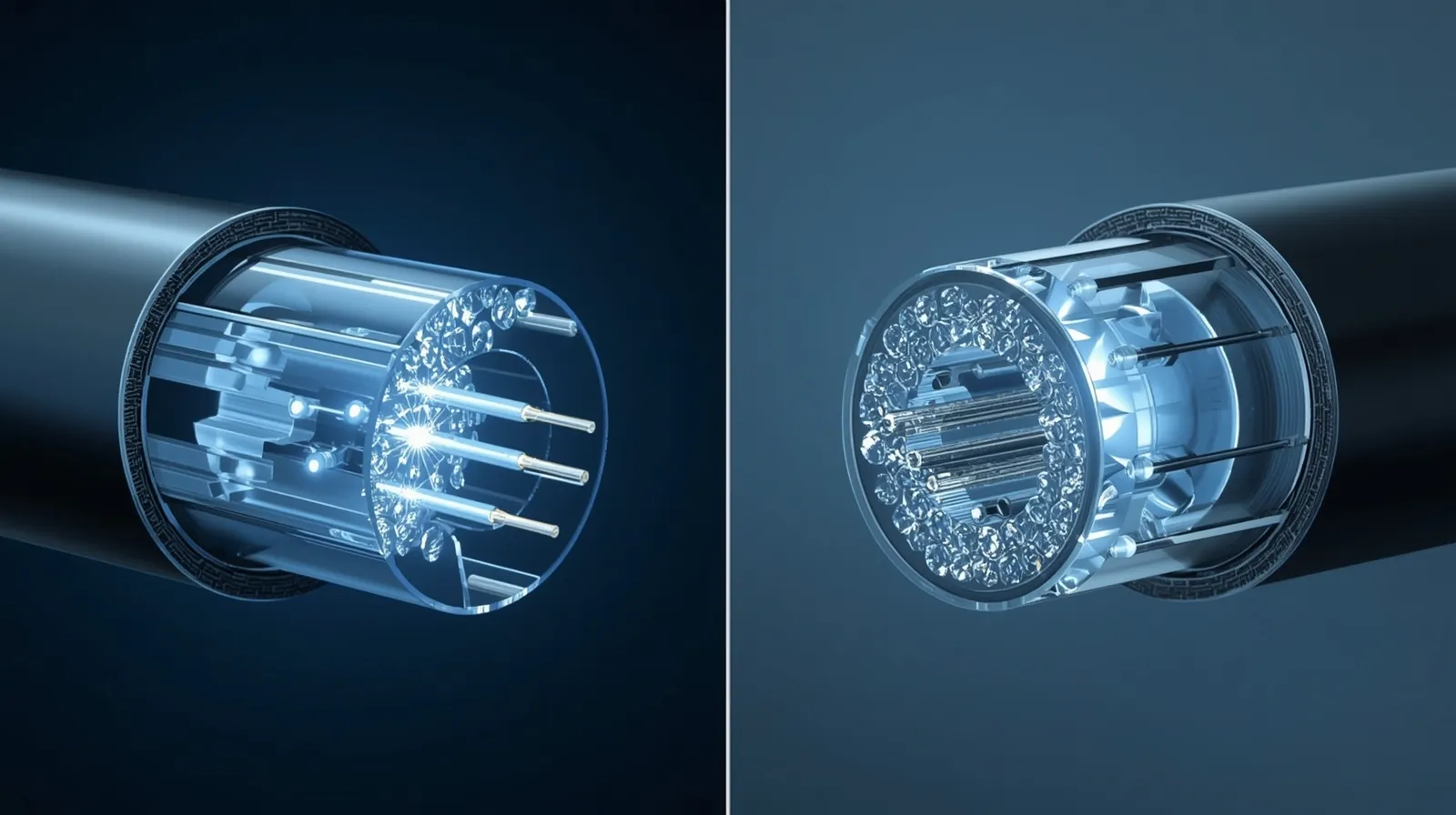
A fiber cable is more than just a thin strand of glass. It is a full structure made to protect the core and keep the signal stable. Several elements help the fiber work correctly.
The core size is one of the most important parts. Single mode fiber has a smaller core, often around nine microns. Multimode fiber has a larger core such as fifty or sixty two point five microns. These numbers affect the way light moves through the fiber.
Around the core is the cladding, which keeps the light inside by using reflection. Then there is buffer coating, which protects the glass from damage. Some cables also include strength members and special jackets made for harsh environments.
The structure decides how strong the connection is, how much data it can carry, and how far the signal travels. This is why fiber optic core sizes, fiber optic sizes, and optical fiber sizes all matter when choosing the right cable.
How to Identify Fiber Optic Cable Without Confusion
Many people want to learn identifying fiber optic cable because the outside jacket often looks simple, but there are clear ways to tell the types apart. The markings on the cable jacket usually show the cable category, connector support, optical fiber standard, and cable diameter.
Color also helps. Yellow is usually single mode. Orange or aqua is usually multimode. Outdoor loose tube cables often have black jackets because they are made to resist sunlight and heat.
Some cables include printed codes that show fiber wavelength support such as 850nm or 1310nm. These markers tell you if the cable works with common multimode fiber wavelengths or optical fiber wavelengths. With these details, you can match the cable to the right network device.
This skill helps avoid mistakes and keeps networks running smoothly. Even beginners can learn cable identification with a little practice.
Single Mode Fiber and Its Key Characteristics
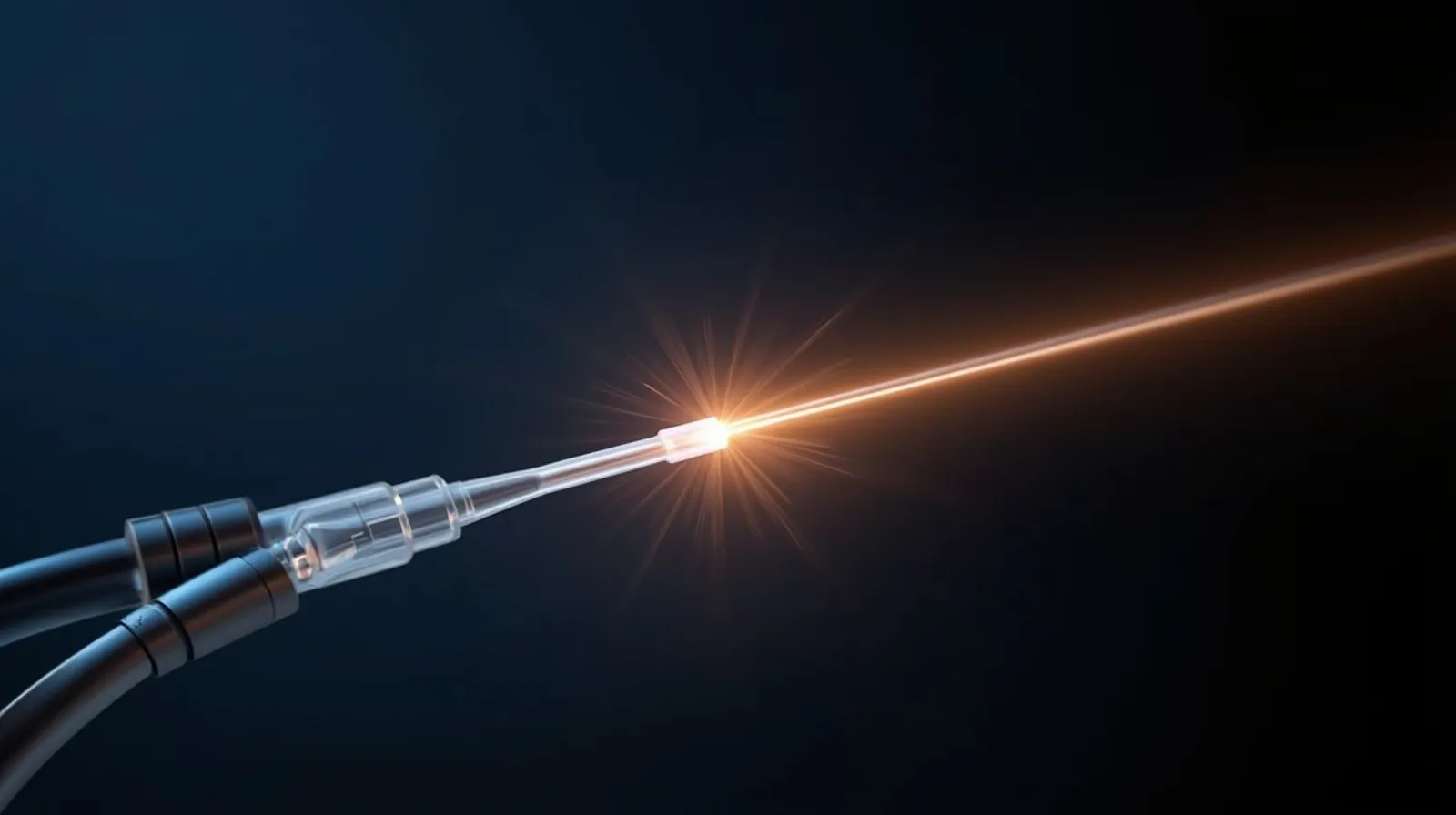
Single mode fiber uses one path of light, which helps the signal stay strong over long distances. This is why it is used for large networks, outdoor routes, or long building to building links. The small fiber diameter supports long range signals that stay clear as they travel.
This cable uses narrow optical fiber wavelengths that fit the small core size. These wavelengths help the data move with less loss. Many providers use single mode for main lines because it easily handles high speeds.
Single mode fiber also supports long term growth. Even when data demands increase, this cable type continues to perform well. When installed correctly, single mode can last for many years with almost no drop in quality.
Multimode Fiber and Common Wavelength Uses
Multimode fiber uses a larger core, which allows light to travel through many paths at the same time. It is often used inside buildings such as offices, schools, or campuses where short to medium distances are common.
This cable supports several multimode fiber wavelengths, including the popular 850nm used in many indoor networks. These wavelengths work well for fast connections over shorter ranges.
Multimode fiber also uses standard fiber optic sizes that match common network equipment. It is often found in data centers, server rooms, and large offices because it is easy to install and cost effective for short runs.
While multimode does not travel as far as single mode, it provides smooth indoor performance and reliable data transfer.
Loose Tube and Tight Buffer Cable Designs Explained
Outdoor fiber often needs extra protection. Loose tube cables place the fiber strands inside small tubes filled with gel or dry materials that protect against moisture. This design works well for underground routes or areas where water or temperature changes might cause damage.
Loose tube optical multi fiber cable is used mostly in outside plants where long runs are needed. Tight buffer designs are used for indoor or mixed environments where the cable may need to bend more or face physical handling.
These designs help match cable strength to the job. Outdoor areas need rugged jackets and support. Indoor areas need flexible cables with stable performance. Understanding this helps installers choose the best option for each space.
Comparing the Main Types of Fiber Optic Cables for Real Projects
When you compare the main fiber types, the differences become clear. Single mode fiber is best for long routes. Multimode fiber supports short and medium indoor networks. Loose tube fiber is built for outdoor environments.
Each has strengths. Single mode uses narrow fiber optic wavelengths. Multimode works with 850nm and 1300nm wavelengths. Outdoor cables focus on strength, protection, and long term durability.
By understanding the characteristics of fiber optic cable, the characteristics of optical fiber cable, and the difference in fiber optic cables, you can choose the best option for a stable and strong network. Many professionals rely on fiber cable types for better planning.
Choosing the Right Fiber Option for Your Network in Phoenix, AZ
Networks in Phoenix, AZ often deal with outdoor heat, building expansions, and growing demand for fast data. That is why it is important to match the cable to the conditions. Long building routes often need single mode fiber. Indoor links often use multimode fiber. Outdoor areas usually depend on loose tube fiber for full protection.
Picking the right fiber can prevent network dropouts and save money over time. Many installers study fiber optic cable types before starting a job so they can avoid mistakes and support the best performance possible.
Why Many Businesses Trust Datatelaz for Fiber Solutions
Businesses want clear advice, proper installation, and long lasting systems. Datatelaz is trusted because customers receive simple explanations and helpful guidance during every step. They learn how fiber works, what each cable type does, and how to support a stable network in the long run.
Datatelaz also helps people understand identifying fiber optic cable and choosing the right equipment. This support builds trust and gives customers confidence in their network plans.
When companies want smooth communication and reliable data flow, choosing the right partner makes a major difference.
Many networks grow fast, so now is a great time to choose the right cable type and plan a strong system. If you are ready for stable fiber performance and want clear answers before you begin, reach out today for professional help and friendly guidance.
